2nd International Conference on Bangladesh Studies (ICBS-II)

2026

A Multidisciplinary Approach to the Reform of Bangladesh 2.0 and Türkiye–Bangladesh Collaborative ‎Horizons

Days
Hours
Minutes
Seconds
The conference is over.
About

2nd International Conference on Bangladesh Studies (ICBS-II), 2026

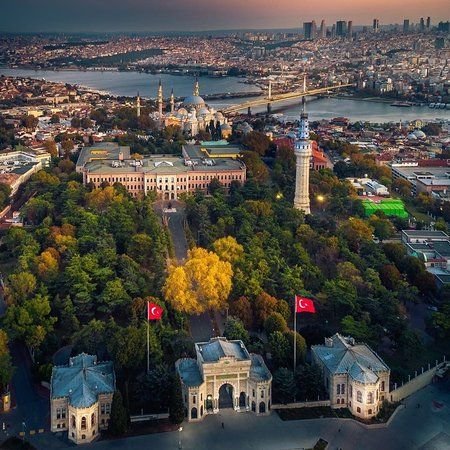
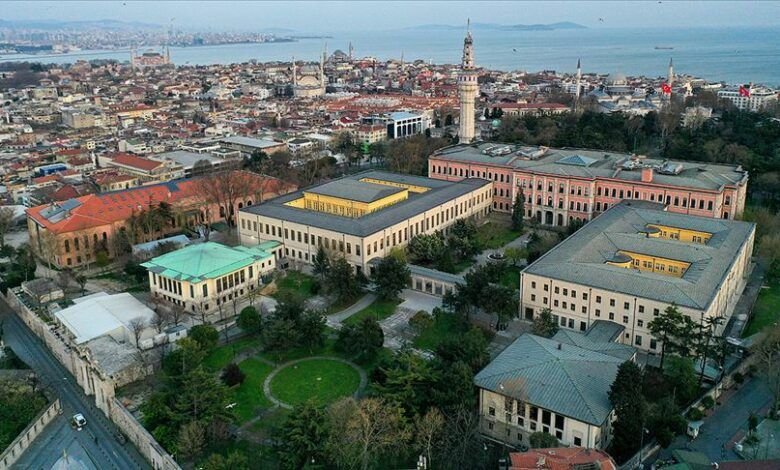
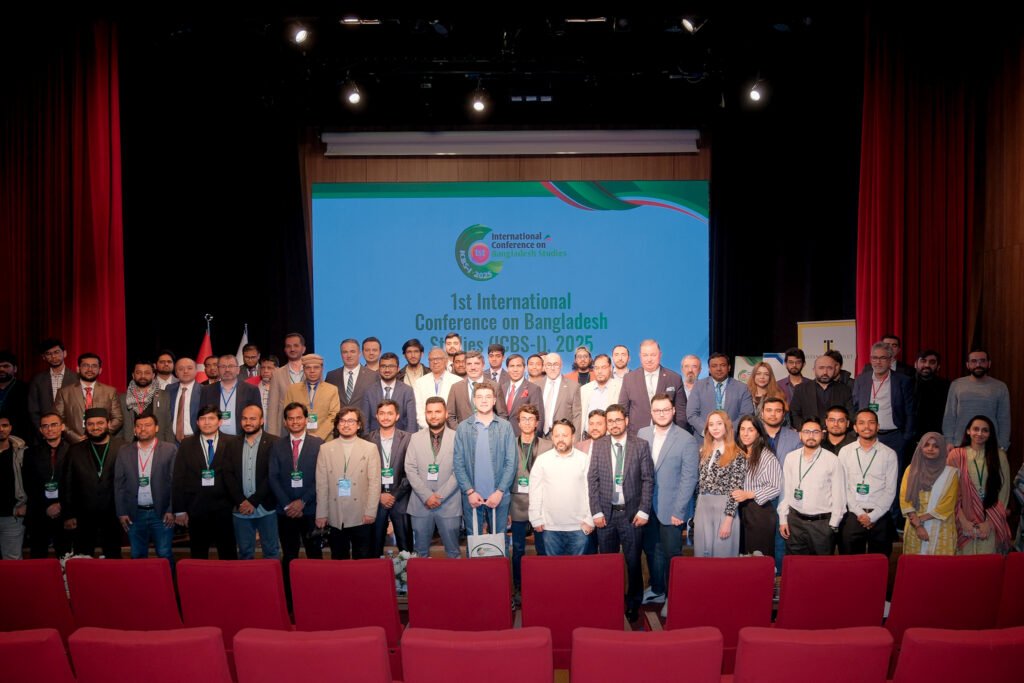
The 2nd International Conference on Bangladesh Studies (ICBS-II)-2026 offers a unique platform for scholars, policymakers, and practitioners to explore the complexities of Bangladesh’s evolving socio-political, economic, and cultural landscape. With a focus on “A Multidisciplinary Approach to the Reform of Bangladesh 2.0 and Türkiye–Bangladesh Collaborative ‎Horizons,” this conference aims to address the critical challenges and opportunities shaping the nation’s future. Taking place at Istanbul  University, Türkiye, on October 09-10, 2026, and the online format allows for welcoming global perspectives on pressing issues in Bangladesh. See More
Why
You Should
Join This
Conference

01.

Opportunity to build Bangladesh 2.0

02.

Participation from Any Disciplines

03.

Hybrid Model

04.

No Registration Fee

05.

World Class Scientific Committee

06.

Certificates and Awards

Important Dates

Abstract Submission Deadline

05 August 2026

Notification of Abstract Acceptance

25 August 2026

Registration Deadline*

30 August 2026

Full Paper Submission

30 September 2026

Conference Dates

09-10 October 2026

*International participants who require a visa should complete their visa process and confirm before 30 September 2026.

Conference Themes

“A Multidisciplinary Approach to the Reform of Bangladesh 2.0 and Türkiye–Bangladesh Collaborative ‎Horizons” highlights transformative changes in governance, society, and development, fostering dialogue for a progressive future.

July Revolution 2024 and the Path to Bangladesh 2.0‎
  • Origins and Causes of the July Revolution: Historical Grievances, Authoritarian Rule, and Popular Mobilization
  • Student and Youth Leadership: Agency, Networks, and the Political Generation of July 2024
  • State Violence, Accountability, and Transitional Justice: Documentation, Truth-telling, and Reparations
  • Constitutional and Governance Reform: Restructuring Institutions in the Post-revolution State
  • From Uprising to Consolidation: Lessons and Pathways for Sustainable Democratic Transition
  • Media, Information, and Digital Activism:  The Role of Social Media and Counter-narratives in the Revolution
Türkiye–Bangladesh Collaborative Horizons
  • Bilateral Diplomatic Relations: History, Current State, And Future Directions
  • Trade, Investment, And Economic Cooperation: Opportunities and Barriers
  • Academic Exchange and Educational Partnerships: Joint Research, Scholarships, And University Linkages
  • Cultural Diplomacy and Civilizational Dialogue: Shared Values and Mutual Learning
  • Bangladesh In Turkish Foreign Policy: Strategic Interests and Regional Dynamics
  • D-8 And Multilateral Frameworks: Türkiye–Bangladesh Cooperation in International Organizations
Governance, Public Policy, and Institutional Reform
  • Judicial Reform and Rule of Law: Independence, Accountability, and Access to Justice
  • Electoral Systems and Democratic Consolidation: Building Credible Institutions
  • Decentralization and Local Governance: Strengthening Civic Participation
  • Anti-Corruption Frameworks: Transparency, Integrity, and Institutional Trust
  • Security Sector Reform: Policing, Military Accountability, and Civilian Oversight
  • Public Administration Modernization: Efficiency, Digital Governance, and Service Delivery
Economic Reform, Finance, and Sustainable Development
  • Islamic Finance and Banking: Growth, Regulation, and Potential for Bangladesh’s Economy
  • Macroeconomic Stabilization and Fiscal Reform: Revenue Mobilization and Debt Management
  • Investment Climate and Private Sector Development: Attracting FDI And Enabling Entrepreneurs
  • Agriculture, Food Security, and Rural Economy: Modernization and Smallholder Support
  • Environmental Sustainability and Climate Resilience: Green Economy and Adaptation Strategies
  • Bangladesh and South Asian Regional Economic Integration: SAARC, BIMSTEC, and Beyond
Education, Human Development, and Technology
  • Education Policy and Curriculum Reform: Quality, Equity, and the Post-Revolution Mandate
  • Higher Education and Research Capacity: Universities as Engines of National Development
  • Technical and Vocational Education: Skills Development for A Transforming Economy
  • Technology and Digital Transformation: E-Governance, Digital Public Infrastructure, and Innovation
  • Artificial Intelligence, Data, and Digital Rights: Opportunities and Governance Challenges
  • Youth Empowerment and Human Capital Development: Investing in the Next Generation
  • Human Rights Frameworks and Enforcement: Gaps, Reforms, and International Standards
  • Gender Equality and Feminist Perspectives: Women’s Rights, Participation, and Post-Revolution Reconstruction
  • Minorities, Indigenous Rights, and Social Inclusion: Pluralism in Bangladesh 2.0
  • Freedom Of Expression, Press Freedom, And Digital Rights: Dismantling Repressive Laws
  • Refugees, Migration, and Statelessness: The Rohingya Crisis and Beyond
  • Reformation of the Legal System: Courts, Lawyers, and Access to Justice
Religion, Culture, and Social Change
  • Religion, Politics, and Public Life: Islam and Governance in Bangladesh
  • Cultural Heritage, Identity, and National Narrative: Pluralism, History, and Memory
  • Media Landscape and Freedom: Press Independence and Public Discourse
  • Bangladeshi Diaspora: Identity, Remittances, and Transnational Civic Engagement
  • Interfaith Relations and Social Cohesion: Building an Inclusive Society
  • Arts, Literature, and Creative Expression: Culture in Post-Revolution Bangladesh
Health, Foreign Policy, and Regional Diplomacy
  • Health Policy and Healthcare System Reform: Universal Health Coverage and Post-Revolution Priorities
  • Mental Health, Trauma, and Psychosocial Recovery: Healing A Society After State Violence
  • Bangladesh’s Foreign Policy: Realignment, New Partnerships, and Strategic Autonomy
  • SAARC, Regional Diplomacy, and South Asian Cooperation: Bangladesh’s Role and Interests
  • Globalization, Geopolitics, and Bangladesh: Navigating A Multipolar World
  • Bangladeshi Engagement with OIC and Muslim World Institutions: Solidarity and Cooperation

Note: The above sub-themes are indicative. The conference warmly welcomes additional interdisciplinary and emerging topics relevant to Bangladesh that fall within the spirit of the overarching theme

Conference Features

Hybrid Model

The conference will follow a hybrid format, with an in-person conference held at İstanbul University, Istanbul, Türkiye.

Global Participation

Anyone from any part of the world can join the conference.

Submission Options

Submissions are allowed either individually or with co-authors. Each submission can include a maximum of three authors.

Co-Author Submissions

A co-author can be part of multiple submissions; however, a different author must present each submission.

No Registration Fees

There are no registration fees for participation.

Certificates

Presenter and Participation certificates will be awarded to all Presenters and participants.

Awards

The best paper will be awarded attractive incentives.

Full Paper Submission

Participants will have the opportunity to submit a full paper following the conference.

Publication Opportunity

Accepted submissions will be published in the conference proceedings.

Guidelines for Abstract Submission

Guidelines

The conference language is English or Turkish; you may write the abstract in either language.

The abstract should be submitted in accordance with the provided template. [↓Template]

Tips for writing abstracts for conference papers

This is slightly different to writing a general abstract and in this scenario the abstract is likely to be written before the paper has been prepared.

A few tips:

  • Clarify in your own mind the purpose of the paper.
  • Look at the themes of the conference and keep them in mind as you write.
  • Ask yourself the following: What approach am I using? – Is it a review, description or supporting a hypothesis? What are my findings? Do the findings support the initial hypothesis? What is the significance of my findings?
  • Quite often, the submission procedure will dictate the format and number of words your abstract should follow – make sure not to exceed the word limit.
  • Choose your keywords carefully, ensuring the key themes of the conference are referenced.

You should follow the instructions for preparing an abstract

Abstract Format

Title Page

The title page should be submitted separately from the abstract and the main content of the paper. It must include the following information:

  • Title of the Paper: The title should be clear, concise, and related to the content of the paper.
  • Author(s): Full names of all authors. If there are multiple authors, please indicate the corresponding author with an asterisk (*) and provide their contact details (email and affiliation).

Abstract-

The abstract should be submitted on a separate page, immediately following the title page, and must adhere to the following format:

Word Limit: The abstract should be between 200-300 words.

Content: The abstract should briefly summarize the key objectives, methodology, results, and conclusions of the paper. It should clearly convey the importance of your research.

Keywords: 5-6 words

Submission process: Apply

Organizers

Our organizers, including the Center for Policy and Social Research (CPSR) and Istanbul University, drive the academic vision, manage the peer-review workflow, and coordinate international partnerships to deliver a high-impact global conference experience.

CPSRlogo
İstanbul_Üniversitesi_Logo.svg

Co-Organizers

Our Co-organizers, including İSUMER, Nanyang Technological University, Ticaret University, SEPEDER, IRD, RIT and OIRD along with POLISADER, play a vital role in supporting the success of this conference.